Mining companies can calculate the cost of replacing an employee. Recruitment, induction, and training all appear in budgets. Yet one of the most consequential losses is harder to record: the practical knowledge that leaves with an experienced worker.
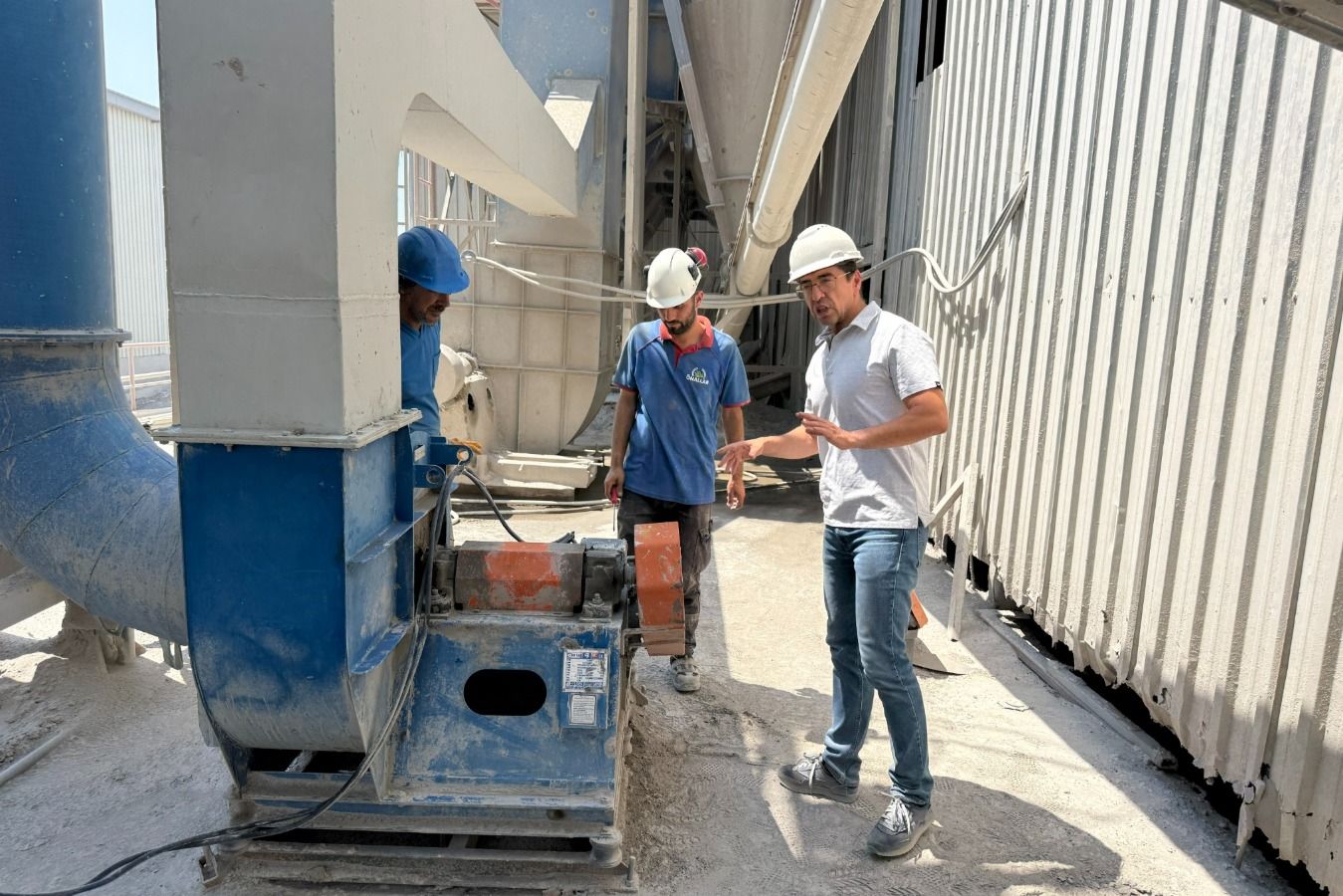
In a quarry or processing plant, that knowledge is rarely confined to a job description. An operator may notice a subtle change in crusher sound before a fault becomes obvious. A maintenance technician may remember which conditions preceded an earlier breakdown. A supervisor may recognise how material from different parts of a deposit affects screening and product quality. None of these observations replaces formal inspection, engineering judgement or safety procedures. Each can, however, help a team ask better questions sooner.
The problem is not simply that experienced people leave. Retirement and career changes are normal. The problem arises when a company discovers only after a departure that nobody else understands how a recurring issue was identified or resolved.
Years of service offer an incomplete measure of this risk. Two workers with the same tenure may have developed very different capabilities. One may have mastered a narrow routine; another may have learned to diagnose unusual operating conditions and teach colleagues. Treating seniority as a substitute for demonstrated competence obscures both differences.
This distinction has implications for workforce development. A useful sequence is to connect education with competence, competence with responsibility, responsibility with recognition, and recognition with progression. This five-stage approach, explored in the KODEK workforce-development framework, does not promise to eliminate turnover. It offers a way to ask whether learning is being demonstrated, used and passed on rather than merely recorded as completed training.
The practical response need not involve creating an elaborate knowledge-management system. Mines can start with situations where judgement matters: repeated equipment failures, unusual feed characteristics, maintenance handovers and quality deviations. Short reviews can capture what was noticed, what alternatives were considered and why a particular action was taken. Structured mentoring and cross-training can then turn those lessons into capabilities shared across a team.
A simple competence map can make this work visible. For each critical task, managers can identify who can perform it independently, who is still learning and who can train another person. The map should be reviewed as equipment, teams and responsibilities change. It cannot measure every aspect of judgement, but it can reveal where a single departure would leave a serious gap.
There is an important caution. Informal experience must never become an excuse to bypass established controls. Knowledge transfer is strongest when practical observations are checked against operating standards and made available to engineers, operators, and maintenance teams alike.
Retention also depends on recognition. An employee who teaches others or prevents a repeated mistake may contribute more than routine performance figures reveal. But recognition should not reward becoming irreplaceable. Organisations become more resilient when experienced workers are valued for developing successors, not for being the only people who know how something works.
The mining industry rightly asks how to attract the next generation. It should ask with equal seriousness how today’s expertise will reach that generation. Replacing a worker fills a vacancy. Preserving and transferring knowledge protects the operation long after the vacancy has been filled.
Author note
Mehmet Altınkaynak — Mining Engineer; Site Technical Manager & Permanent Technical Supervisor.
Image credit: Aldur Mining.